

In today’s data-driven world, a data analytics dashboard is like a superhero cape for businesses. It swoops in to save the day, transforming chaotic numbers into eye-catching visuals that even your grandma would understand. With just a glance, decision-makers can spot trends, track performance, and make sense of the data deluge without breaking a sweat.
Imagine having all the crucial metrics at your fingertips, ready to impress your boss during that high-stakes meeting. No more squinting at spreadsheets or deciphering cryptic reports. A well-designed dashboard not only simplifies complex data but also turns insights into action. So buckle up and get ready to explore how these powerful tools can revolutionize the way businesses operate and thrive in a competitive landscape.
Data-Analytics-Dashboard
Data analytics dashboards serve as powerful tools for businesses seeking to visualize data. These dashboards consolidate various data sources into one interface, offering a holistic view of performance metrics. Decision-makers benefit from real-time insights, allowing them to respond swiftly to changes in the market.
Graphs, charts, and tables within dashboards present complex data in a simplified way. Such visuals enable users to identify patterns and trends at a glance. Businesses can monitor key performance indicators (KPIs) and gauge overall performance, all without navigating through tedious spreadsheets.
Different styles of dashboards exist, each serving distinct purposes. Operational dashboards focus on daily operations with real-time data. Analytical dashboards delve into historical data, helping users explore and analyze trends over time. Strategic dashboards synthesize data to support long-term decision-making, ensuring alignment with business objectives.
User-friendly interfaces enhance overall usability, enabling team members at various levels to interact with data effectively. Customization options cater to different user needs, allowing teams to prioritize the metrics most relevant to their objectives. Interactivity, such as drill-down features, further enriches user experience, enabling deeper exploration of the data behind visual representations.
Data analytics dashboards enhance collaboration across departments. Teams can share insights easily and work together towards common goals. By leveraging a unified data platform, organizations improve efficiency and foster data-driven cultures. Employing these dashboards optimizes business operations, driving informed decisions in a competitive landscape.
Key Features of Data Analytics Dashboards
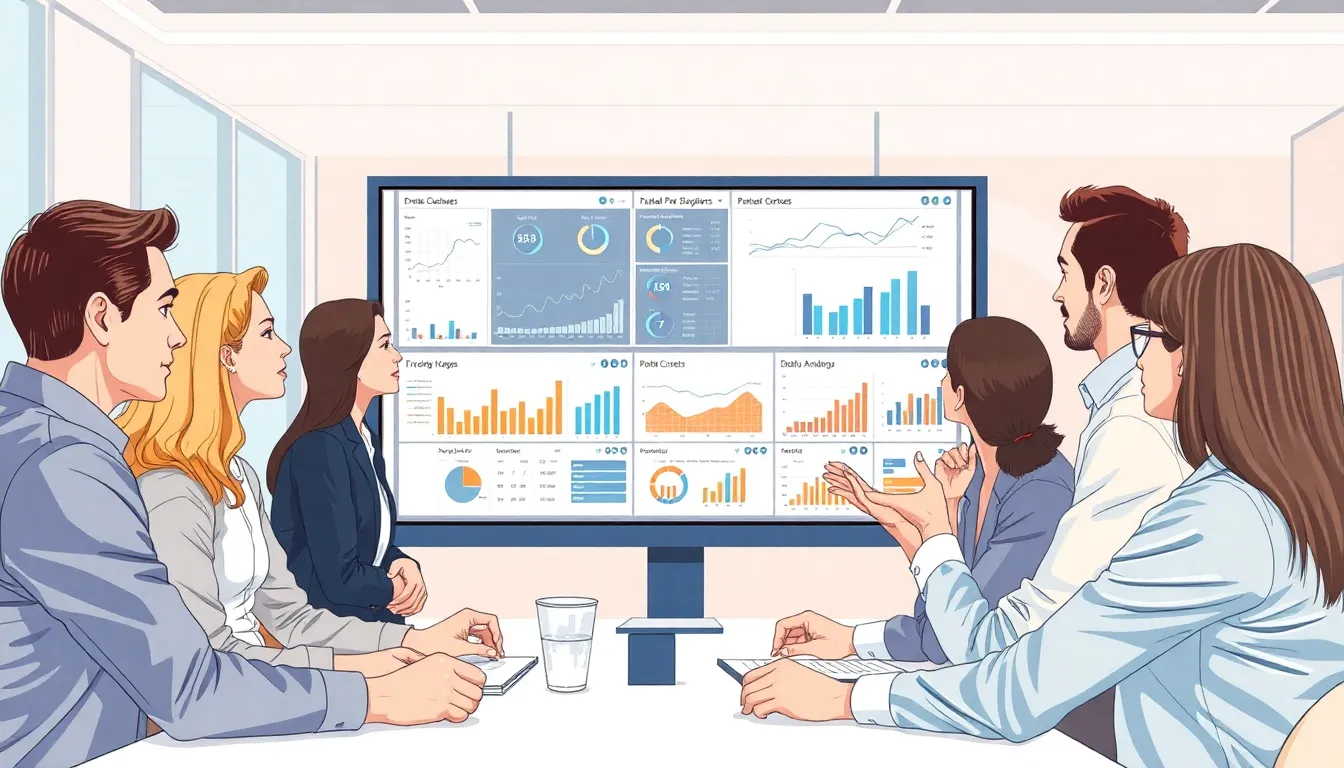
Data analytics dashboards offer essential functionalities that enhance decision-making processes. These features enable users to access critical insights efficiently.
User Interface Design
User-friendly interfaces emphasize simplicity and accessibility. Visual hierarchy guides users through complex information effortlessly. Clear layouts, with intuitive navigation, support quick information retrieval. Consistency in design elements fosters familiarity among users. Customizable views enable users to tailor the dashboard to meet specific needs. This adaptability promotes user engagement while simplifying complex data interactions.
Data Visualization Tools
Data visualization tools amplify the clarity of information. Charts, graphs, and tables facilitate the understanding of trends and patterns. Interactive elements allow users to explore data dynamically and engage in deeper analysis. Visualizations can be customized to highlight key performance indicators relevant to specific goals. Quick identification of outliers enables timely decision-making. These tools empower users to translate complex data into actionable insights.
Integration Capabilities
Integration capabilities enhance the functionality of data analytics dashboards. These dashboards connect seamlessly with various data sources, ensuring consistent data flow. Importing data from multiple platforms simplifies the analysis process. Real-time updates keep information current, allowing for prompt responses to changes. Dashboards that integrate with tools like CRM and ERP systems provide a comprehensive view of business operations. Such connectivity streamlines workflows and supports informed decisions based on the latest data.
Benefits of Using a Data Analytics Dashboard
Data analytics dashboards offer significant advantages for organizations seeking to leverage their data effectively. They enhance overall decision-making processes by presenting clear insights in a user-friendly format.
Enhanced Decision-Making
Enhanced decision-making occurs through visual representation of data. Graphs and charts enable quick comprehension of complicated metrics. Users can identify trends more effectively, allowing for timely interventions. Organizations equipped with dashboards often experience increased accuracy in forecasting scenarios. Decision-makers capitalize on real-time data to align strategies with market demands.
Real-Time Reporting
Real-time reporting stands out as a key feature of data analytics dashboards. These systems provide updates as conditions change, ensuring decision-makers always work with the most current information. Businesses can adapt strategies rapidly based on immediate feedback from their data. Visibility into performance metrics enhances agility in responses to market fluctuations. Overall, real-time reports support proactive decision-making, leading to competitive advantages.
Improved Data Accessibility
Improved data accessibility characterizes effective data analytics dashboards. Users benefit from a centralized interface that consolidates information from various sources. Customization options allow individuals to tailor views according to specific needs. Easy access to relevant metrics empowers employees at all levels to engage with data. Furthermore, this streamlined access promotes a culture of data-driven decision-making across the organization.
Challenges in Implementing Data Analytics Dashboards
Implementing data analytics dashboards presents several challenges that organizations often face. Identifying and addressing these issues ensures the successful adoption and effective use of dashboards.
Data Quality Issues
Data quality problems complicate the development of reliable dashboards. Inaccurate, inconsistent, or incomplete data can mislead decision-makers. Establishing clear data governance protocols becomes critical to maintain data integrity. Continuous data cleansing processes help address these discrepancies. Regular audits of data sources ensure the accuracy of the information displayed on the dashboards. These steps foster confidence in the analysis and enhance decision-making processes.
User Adoption Resistance
User adoption remains a significant challenge in integrating dashboards. Employees may resist using new tools due to a lack of training or familiarity with the technology. Providing comprehensive training resources facilitates user engagement and ease of understanding. Effective communication around the benefits of dashboards helps garner support from staff. Encouraging feedback during the implementation phase allows for addressing concerns and improving usability. Creating a culture that values data-driven decision-making can foster enthusiasm and increase adoption rates.
Conclusion
Data analytics dashboards are essential for modern businesses aiming to thrive in a competitive landscape. They simplify complex data into actionable insights that empower decision-makers to act swiftly and effectively. By integrating various data sources into a single interface, these dashboards enhance collaboration and promote a data-driven culture across organizations.
The benefits of user-friendly designs and real-time reporting cannot be overstated. They facilitate quick comprehension of critical metrics and foster timely interventions. While challenges like data quality and user adoption exist, addressing these issues through training and governance can maximize the effectiveness of dashboards. Ultimately, embracing data analytics dashboards can drive significant improvements in business operations and decision-making processes.