
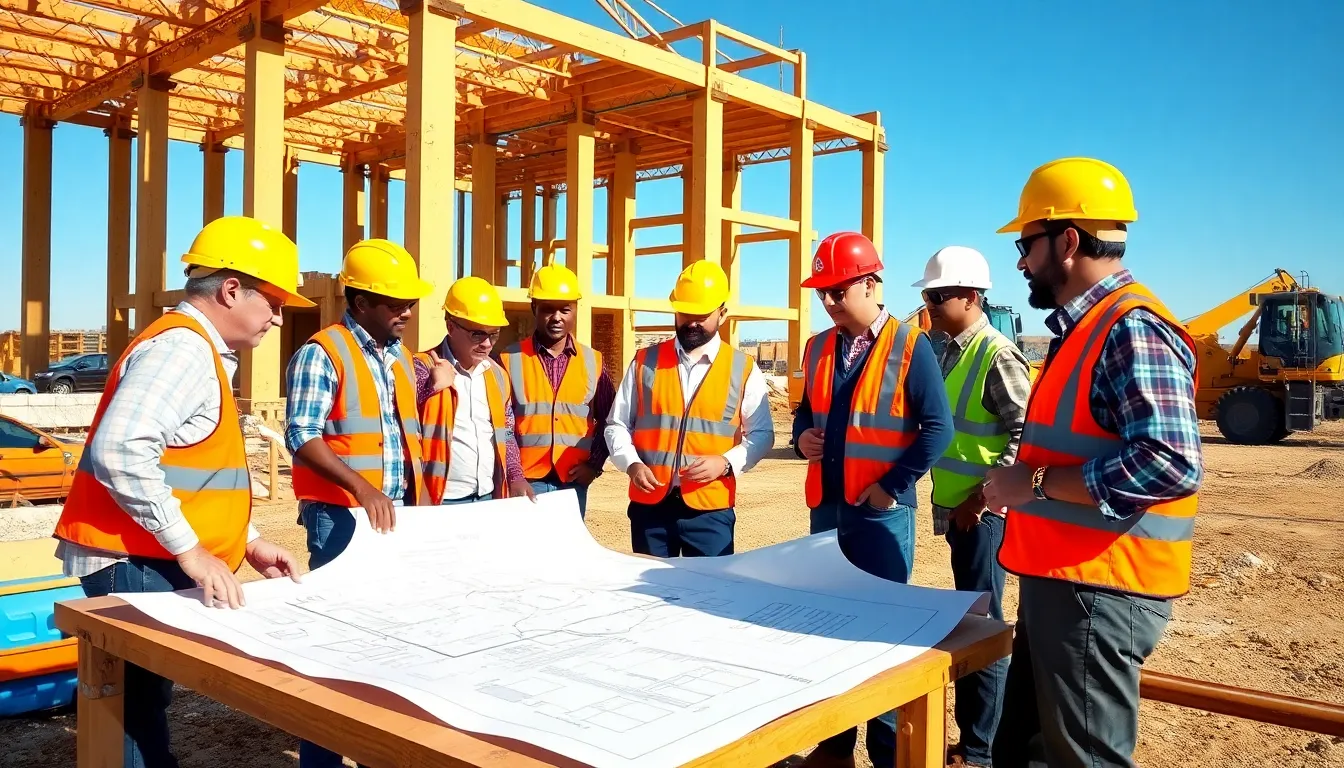
In the construction world, risk is as common as hard hats and steel-toed boots. Every project comes with its own set of potential pitfalls, from budget blowouts to unexpected weather tantrums. But fear not! With effective risk management strategies, construction teams can navigate these challenges like pros.
Imagine a project manager juggling flaming chainsaws while riding a unicycle. Sounds risky, right? That’s what it feels like without a solid risk management plan. By identifying and mitigating risks early, teams can keep projects on track, within budget, and free from unnecessary drama. So, let’s dive into the essentials of risk management in construction and discover how to turn those potential disasters into mere bumps in the road.
Risk Management In Construction
Construction projects encounter numerous risks, making effective risk management essential for success. Proactive approaches help identify potential issues early, allowing stakeholders to implement appropriate mitigation strategies.
Definition of Risk Management
Risk management refers to the systematic process of identifying, assessing, and controlling risks throughout a project’s lifecycle. This process involves recognizing uncertainties and evaluating their potential impact on project goals. Construction professionals use risk management techniques to formulate strategies designed to minimize negative effects on timelines, costs, and safety. Frameworks such as qualitative and quantitative assessments help prioritize risks based on their likelihood and consequences.
Importance of Risk Management in Construction
Risk management holds significant importance within the construction sector. Effective management safeguards against budget overruns and delays. It contributes to enhanced safety standards, protecting workers and reducing costly accidents. Successful projects often incorporate risk management as a fundamental component of planning. By addressing potential obstacles upfront, teams can ensure smoother execution and a higher likelihood of meeting project deadlines. Structured risk management also builds stakeholder confidence and promotes collaboration among project participants.
Types of Risks in Construction
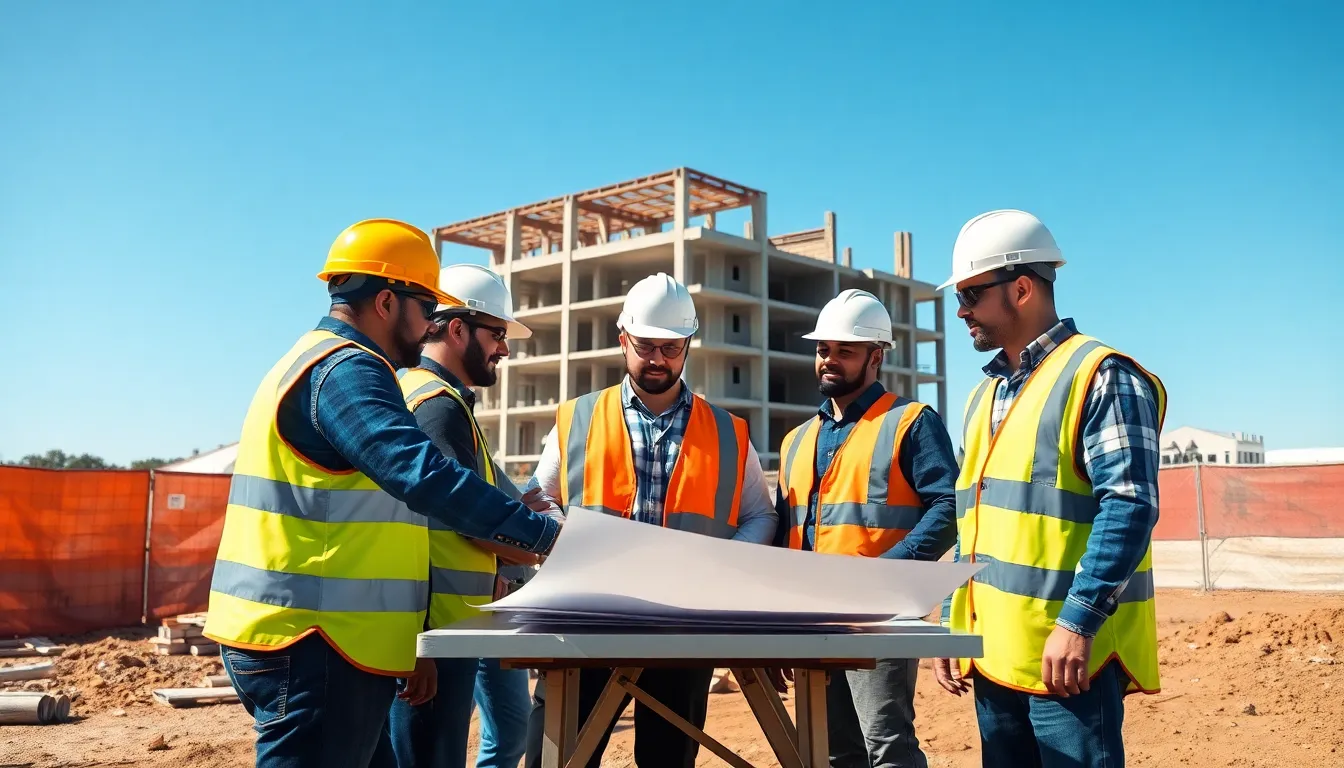
The construction industry faces various risks that can significantly impact project success. Understanding these risks creates opportunities for effective management strategies.
Financial Risks
Financial risks involve budget overruns and unexpected costs. Project managers often encounter these risks due to inaccurate estimates or unforeseen expenses. Tight margins heighten the pressure to control expenditures meticulously. Effective financial planning ensures the availability of contingency funds. Monitoring cash flow regularly aids in identifying potential shortfalls. Engaging in thorough contract negotiations minimizes liabilities. Utilizing techniques like earned value management supports financial discipline. These measures contribute to maintaining project budgets.
Safety Risks
Safety risks represent a critical concern in construction. Tasks often involve dangerous equipment and hazardous materials. Adhering to strict safety protocols mitigates accident likelihood. Regular safety training for workers promotes a culture of prevention. Providing personal protective equipment fosters a safer work environment. Conducting site safety audits identifies potential hazards early. Compliance with OSHA standards ensures legal adherence and enhances worker safety. Prioritizing safety ultimately protects both employees and the project timeline.
Environmental Risks
Environmental risks can disrupt construction projects significantly. Factors such as extreme weather, pollution regulations, and site contamination pose challenges. Implementing sustainable practices minimizes negative environmental impacts. Conducting environmental assessments informs project planning stages. Adapting to local regulations helps avoid legal complications. Developing contingency plans for weather-related disturbances safeguards timelines. Engaging with local communities fosters transparency and cooperation. Recognizing and addressing environmental risks can enhance project resilience.
Risk Assessment Process
Risk assessment in construction involves a systematic approach to identifying, analyzing, and prioritizing potential risks throughout a project’s lifecycle. This process is essential for project success and effective resource allocation.
Identifying Risks
Identifying risks begins with thorough evaluations of project plans, operations, and external factors. Teams should consult with stakeholders to gather insights and expertise, helping to uncover potential risks. Tools such as brainstorming sessions and checklists play critical roles in pinpointing hazards like financial concerns and safety issues. Continuous communication fosters awareness and encourages the identification of emerging risks as the project progresses.
Analyzing Risks
Analyzing risks involves assessing both the likelihood and impact of identified risks. Teams often utilize qualitative and quantitative methods to gain an accurate understanding. Qualitative methods might involve expert judgment and interviews, while quantitative methods include statistical data and models for evaluation. This analysis reveals which risks pose the most significant threats to budget, timelines, or safety. Prioritizing risks based on their overall impact helps teams focus their efforts on the most critical issues.
Prioritizing Risks
Prioritizing risks occurs after thorough identification and analysis. Assigned based on their likelihood and impact, risks receive rankings that guide decision-making. The highest-priority risks require immediate attention, while lesser threats may warrant monitoring. Constructing a risk matrix can aid in visualizing these priorities, enabling efficient resource allocation. Addressing significant risks first ensures teams focus on issues that could jeopardize the project’s success while fostering a proactive management culture.
Risk Mitigation Strategies
Effective risk mitigation strategies are essential for the success of construction projects. Implementing these strategies early on can significantly reduce potential complications.
Preventive Measures
Utilizing preventive measures offers a proactive approach to risk management. Training workers on safety protocols reduces the likelihood of accidents onsite. Conducting regular inspections ensures compliance with regulations and standards. Communication among team members fosters a culture of awareness about potential risks. Documenting processes enables quick identification of anomalies, which aids in addressing issues before they escalate. Engaging stakeholders in the planning phase allows for diverse perspectives, leading to a more comprehensive risk assessment.
Contingency Planning
Developing contingency plans prepares construction teams for unforeseen circumstances. Identifying critical risks helps in crafting specific action steps when issues arise. Allocating a budget for emergencies ensures resources are available when needed. Establishing alternative schedules minimizes project delays due to disruptions. Communicating contingency strategies clearly to all team members enhances their readiness. Regularly reviewing and updating these plans keeps teams agile and responsive, allowing for swift adjustments to changing conditions, thereby maintaining project momentum.
Role of Technology in Risk Management
Technology significantly enhances risk management in construction projects. Utilizing advanced tools and software leads to more effective identification and mitigation of potential risks.
Software Solutions
Construction professionals often rely on software solutions for risk management. Project management software enables teams to track progress and monitor budget fluctuations in real time. These tools help in automating reporting processes, which increases efficiency. Additionally, software that facilitates collaboration allows stakeholders to share information and insights promptly. Innovative platforms integrate risk assessments into the project workflow, streamlining decision-making. Examples of popular software include Procore, Viewpoint, and Buildertrend, which provides a range of features tailored to construction needs. Implementing these solutions promotes a structured approach to managing risks effectively.
Data Analytics
Data analytics plays a crucial role in risk management. Analyzing historical data helps construction teams identify patterns and potential issues early. Predictive analytics forecasts future risks based on previously recorded variables, providing valuable insights for proactive decision-making. Collecting data from various sources, such as weather reports and market trends, aids in comprehensive risk assessments. Teams leverage data visualizations to present information clearly, enhancing understanding among stakeholders. Utilizing analytics tools like Microsoft Power BI and Tableau supports informed risk mitigation strategies. Overall, data analytics transforms raw information into actionable insights, strengthening construction risk management processes.
Conclusion
Effective risk management is vital for success in the construction industry. By identifying and addressing risks early, construction professionals can safeguard timelines, budgets, and safety standards. Implementing proactive strategies not only minimizes complications but also fosters a culture of collaboration among stakeholders.
The integration of technology and data analytics further enhances risk management efforts, providing valuable insights that help teams navigate uncertainties. As the construction landscape continues to evolve, embracing these practices will empower professionals to tackle challenges head-on and drive successful project outcomes. Prioritizing risk management ultimately leads to smoother execution and increased stakeholder confidence, ensuring that projects are completed on time and within budget.